Verify Buyers and Sellers Personal Identity
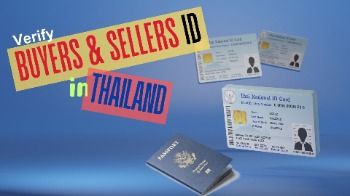
As a real estate agent in Thailand, ensuring smooth transactions is paramount to maintaining client satisfaction and legal compliance. One crucial aspect of this process, often overlooked by newcomers, is the proper handling and understanding of National ID cards and Passports. These identification documents are critical when buying, selling, or renting properties.
What is a National ID Card or Passport?
Understanding National ID Cards
A National ID card is a government-issued identification document used primarily within a country. In Thailand, all citizens aged seven or older are required to have a National ID card. The card features the individual's full name, photo, ID number, date of birth, gender, and residential address.
Understanding Passports
A passport, in contrast, is a travel document issued by a country's government that certifies the identity and nationality of its holder, primarily for international travel. Passports also contain essential personal details, similar to a National ID card, but are used primarily to facilitate travel and identification abroad.
Why National ID Cards and Passports Are Important in Real Estate Transactions
Verifying Identity
One of the primary reasons for requiring these documents is to verify the identity of the parties involved in the transaction. This step is crucial to prevent fraud and ensure that the person buying, selling, or renting the property is indeed who they claim to be.
According to the Global Identity & Fraud Report, identity verification is essential in reducing fraud cases, which can otherwise result in significant financial losses and legal complications.
Legal Compliance
In Thailand, real estate transactions are governed by stringent regulations to maintain the integrity of the property market. These laws necessitate the submission of valid identification documents. For example, Thailand’s Land Code Act stipulates that both the buyer and seller must provide verified identification to execute a property transaction legally.
Facilitating Smooth Transactions
Having the correct identification documents at hand ensures that all parties can proceed without unnecessary delays. Real estate transactions involve various steps and stakeholders, including banks, notaries, and government offices. Without the appropriate ID verification, bottlenecks can occur, delaying the process.
In Which Cases Will You Be Required to Ask for These Documents?
Buying Property
When buying property, the buyer needs to present a National ID card (for Thai nationals) or a passport (for foreign buyers). This identification is required for several reasons, including but not limited to:
- Obtaining Mortgage Approval: Banks will require proof of identity to process mortgage applications.
- Contracts and Agreements: Official contracts necessitate verified identification.
- Transfer of Ownership: The Land Department will need to verify the buyer's identity to process the ownership transfer.
Selling Property
Sellers must also present a National ID card or a passport. This requirement is primarily to confirm the legal ownership of the property. Some key points where identification verification is critical include:
- Title Deeds Verification: The Land Department will cross-check the seller's ID with the title deeds.
- Tax Obligations: The Revenue Department needs proper identification to process and verify any taxes or fees owed on the property sale.
- Contract Finalization: Ensuring the seller's identity is validated during the contract process is crucial to finalize the sale.
Renting Property
When renting a property, both the landlord and the tenant should provide their identification documents. This practice safeguards both parties by establishing verified identities and establishing a legal framework for resolving potential disputes. Here's why identification is crucial in rental agreements:
- Lease Agreements: Both parties must have their identification details on the lease agreement to make it legally binding.
- Utility and Service Contracts: When setting up utilities or other services in the rental property, verified identification is necessary.
- Deposit and Rent Payments: Having verified identities helps in tracing deposit and rent payments should any discrepancies occur.
Property Viewing
Real estate agents should request identification documents when potential buyers fill out a Property Viewing Form. Verifying the customer's identity at this stage helps ensure that the person interested in viewing the property is genuine.
Signing a Listing Agreement
Identification Before Signing a Listing Agreement Ensuring the authenticity and ownership of a property before signing a listing agreement is just as crucial. Real estate agents should verify the seller's identity to validate ownership of the property. This step prevents potential legal issues and safeguards against fraud.
Steps to Verify Ownership:
Request National ID or Passport: Before proceeding with any listing agreement, ask for the seller’s National ID card (for Thai citizens) or passport (for foreign nationals). Title Deeds Check: Cross-reference the ID details with the title deeds of the property.
Legal Encumbrances and Property Rights
Real estate agents must also recognize situations involving legal encumbrances or property rights. Identification documents become particularly significant in such cases to:
- Verify Legal Status: Confirm whether the person has the legal right to sell, buy or rent the property.
- Clear Encumbrances: Identify any legal encumbrances on the property that may affect the transaction.
Ensuring Compliance and Best Practices
Document Verification Tools
The advent of digital technology has made document verification easier and more reliable. Real estate agents can utilize several tools and apps to authenticate ID cards and passports. For instance, many platforms now offer features like OCR (Optical Character Recognition) that can scan and verify passport details.
Privacy and Data Protection
Handling identification documents involves a significant responsibility. Adhering to data protection laws, such as Thailand's Personal Data Protection Act (PDPA), is essential. Ensure that copies of ID documents are securely stored and only used for the purpose they were collected for.
Educating Clients
Often, clients may not understand the necessity of such thorough identification checks. It is vital for real estate agents to educate their clients about the importance of these documents in ensuring a smooth and secure transaction. Transparency about the process can build trust and facilitate cooperation.
Challenges and Solutions
Common Challenges
- Unwillingness to Provide Documents: Clients may be hesitant to share personal information.
- Fake IDs: The possibility of counterfeit IDs.
- Language Barriers: Especially prevalent when dealing with foreign nationals.
Risks of Refusing to Identify
Suspicion of Fraudulent Intentions
When a potential buyer or seller refuses to provide identification, it raises red flags about their intentions. For instance, they could be attempting to commit fraud, launder money, or engage in other illegal activities. This refusal can put the entire transaction at risk, causing delays or cancellations.
Loss of Commission
For real estate agents, the refusal to provide identification not only complicates the transaction but may also result in a loss of commission. Without a verified identity, there is a higher probability that the transaction will be completed behind the agent’s back, cutting them out of their rightful earnings.
Data Point: As per a report by PropertyGuru Group, over 30% of real estate agents in Southeast Asia have experienced issues related to commission disputes and fraud, underscoring the importance of proper identification.
RE/MAX Agents must Master the Essentials of ID Verification for Real Estate Success
In the realm of real estate transactions in Thailand, ensuring accurate and lawful verification of National ID cards and passports is paramount. By understanding the necessity and application of these documents, real estate agents can confidently navigate the complexities of buying, selling, or renting properties.
Real Estate Definitions
“Time is of the essence”
Agent
Agreement of sale
Alienation
Alienation clause
Amendments
Amenities
Appraisal
Appreciation
Arbitration
Assessment
Balloon payment
Beneficiary
Breach of contract
Broker
Broker Agent (Salesperson)
Brokerage Owner
Building restrictions
Business plan
Capital Gain
Capital investment
Capitalization
Capitalization Rate
Cash flow
Closing
Closing or Completion
CMA
Code of Ethics
Collateral
Commercial Property
Commercial Zone
Commission
Comparable (Comps, Sales Comps)
Comparable Market Analysis
Contingencies
SaleContract
Contract for deed
Cost approach
Counteroffer
Debt
Deed
Default
Deposit or Down Payment
Down Payment
Earnest Money
Endorsement
Equity
Escrow
Exclusive Listing Agreement
Exclusive right to sell listing
Exclusive-agency listing
Execution
Executor
Expenses
Fixture
For Sale By Agent
For Sale By Owner (FSBO)
Foreclosure
Foreign Quota
Franchise
Fraud
Freehold estate
Future interest
Grantee
Grantor
Heir
Highest and best use
Identity
Income approach
Independent contractor
Industrial property
Inspection
Instalment Contract
Installment sale
Interest-in-real-estate
Joint tenancy
Joint venture
Judgment
Judgment clause
Land
Lease
Leasehold estate
Lessee
Lessor
Lessor, Landlord, Property Owner
Letter of Intent (LOI)
Lien
Listing
Listing Agreement
Loan
Management Agreement
Market price
Market value
Market/data approach
Memorandum of Understanding (MOU)
Mortgage
Mortgage lien
Multi-Family
Multiple Listing Service (MLS)
Negligence
Net Income
Net lease
Net operating income
Non Disclosure Agreement (NDA)
Notary public
Novation
Open listing
Open Listing Agreement
Option
Ownership
Partnership
Power of attorney
Preliminary Deposit
Premises
Prepayment clause
Prepayment penalty
Priority
Property
Property Investment
Property management
Property Tax
Quota Letter
“Ready, willing, and able”
Real estate
Real Estate Broker
Real Estate Property
Real Estate Purchase/Sale Agreement
REALTOR®
Rent
Rent schedule
Replacement cost
Resale
Residential
Rights Over Leasehold Asset
Sales contract
Salesperson
Short sale / Fire Sale
Single Family
Specific Business Tax
Spouse Consent
Stamp Duty
Subletting
Substitution
Survey
Tenant
Termination (lease)
Termination of listing
The original amount
The Terms “Agent” and “Broker”
Title
Title Deed
Title Insurance
Transfer Fee
Value
Viewing Form
Withholding Tax
Yield
Zoning